


The Federal Reserve, or simply the “Fed,” plays a crucial role in the financial system of the United States. The decisions made by this central bank, especially concerning interest rates, commonly known as the rates to Fed, have a significant impact on the economy. But what exactly does this mean for your personal finances?
When the Fed adjusts interest rates, it often aims to control inflation, stabilize prices, and encourage economic growth. They have direct and tangible effects on your daily life. From the interest rates charged on credit cards to loans and mortgages, the Fed’s decisions can influence nearly every aspect of your financial well-being.
How the Fed’s interest rates impact your wallet
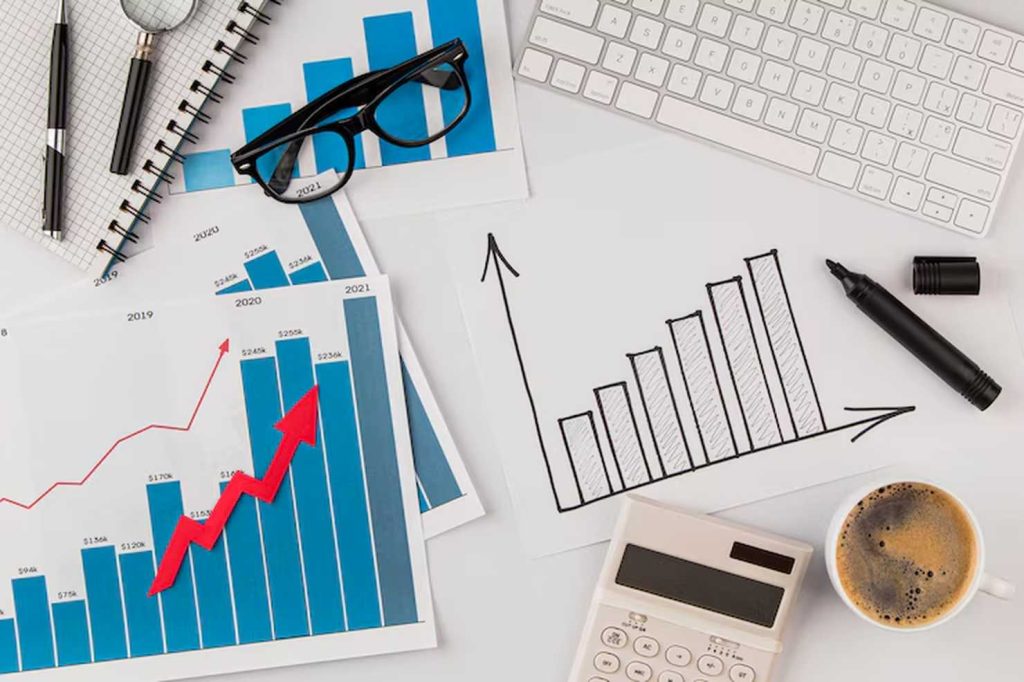
When the Fed modifies interest rates, it has an almost immediate effect on the interest you’ll pay on most forms of credit. For instance, a rise in the Federal Reserve rates often leads to an increase in credit card interest rates. This means outstanding balances can become more expensive to carry, ultimately affecting your monthly finances.
On the flip side, when the Fed decides to lower rates, borrowing can become cheaper. This often encourages consumers to spend more, stimulating economic growth. However, it’s important to note that while borrowing may become more affordable, savings interest rates can drop.
Credit cards and loans: immediate effects
Interest rate adjustments by the Fed can have direct implications for your credit cards and loans. Credit card issuers typically adjust their rates in line with the Federal Reserve’s changes. This means that even if you maintain the same spending habits, the cost of borrowing can rise or fall based on these external decisions.
For those holding variable rate loans, shifts in the Fed’s rates can result in more immediately noticeable changes. It’s wise to review your credit agreements and, when possible, lock in fixed rates during periods of low interest to prevent potential financial strain in periods of increasing rates.
Strategies to navigate the Fed rate changes
Planning becomes a crucial part of managing your finances around Fed rate changes. Monitoring when the Federal Reserve announces rate adjustments can help you anticipate changes in your expenses and income from interest. During periods of rising rates, you may want to focus on paying down high-interest debt and looking for opportunities to refinance existing loans at lower rates before they climb higher.
Building emergency savings can also be beneficial during times of economic uncertainty, acting as a buffer against unexpected expenses or temporary income disruptions. Additionally, consider exploring alternative, less volatile investment strategies if traditional savings avenues offer diminishing returns.
Practical steps for financial resilience
To better protect your financial situation in changing interest rate environments, start by auditing your current financial commitments. Analyze where you can reduce debt, consolidate loans, or find savings in your monthly budget. Utilizing credit cards with lower interest rates, especially those offering cashback or rewards, can help offset some of the increased costs when rates are high.
In addition to shopping around for better rates, maintaining or building a good credit score is essential. A strong credit score can offer more favorable loan terms and interest rates, giving you an edge in a rising rate environment. Being proactive about your finances can make a substantial difference in how Fed decisions impact your daily life.
Understanding and adapting to Fed rate changes
The federal interest rates, or rates to Fed, serve as a key mechanism for stabilizing the economy. While out of individual control, adapting to these changes is crucial for personal financial health. By understanding the implications of these rates and taking proactive measures, you can mitigate negative impacts and potentially capitalize on favorable conditions.
Ultimately, staying informed and agile in your financial planning allows you to adapt more effortlessly to the evolving economic landscape. Whether navigating increased monthly payments or leveraging lower rates for future investments, being prepared can turn economic challenges into opportunities.