

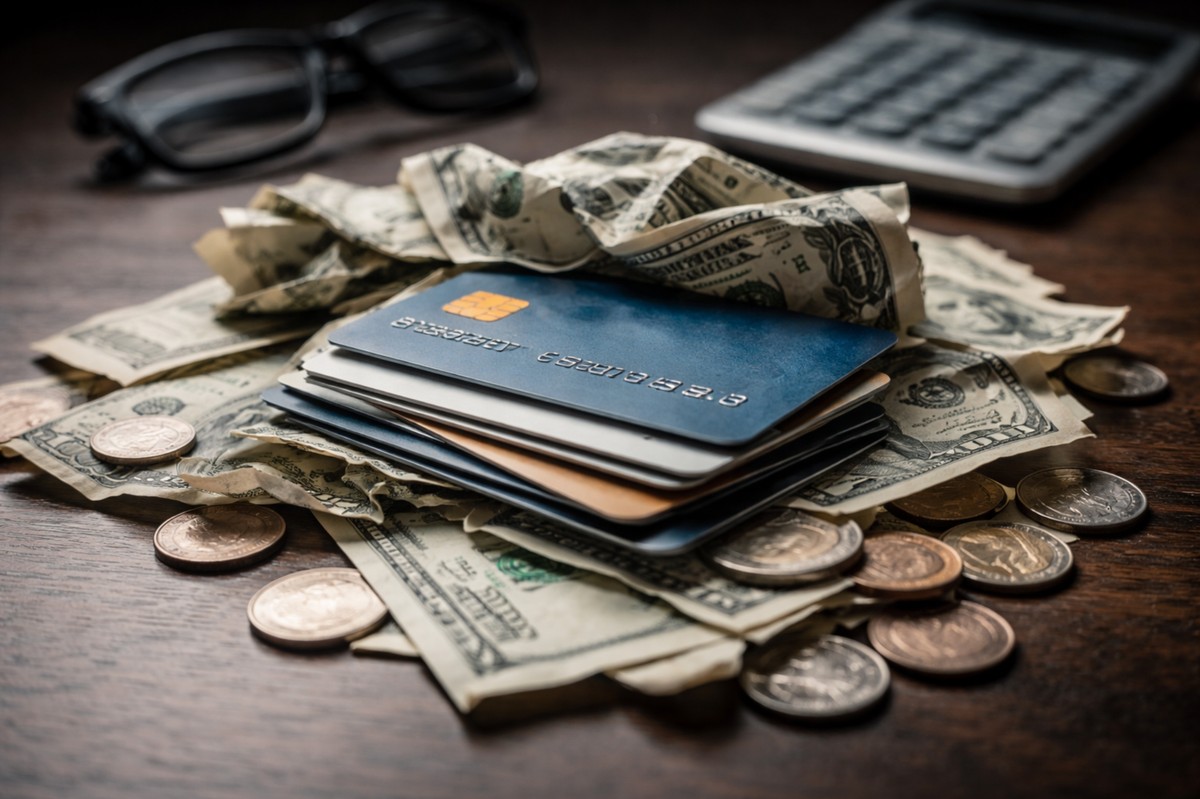
In recent decades, the use of the credit card has become deeply embedded in everyday financial life in the United States. From groceries and gas to travel and emergencies, plastic money offers convenience and short-term flexibility.
However, behind this ease of use lies a growing financial challenge: revolving balances that quietly accumulate interest and fees. What often starts as a temporary solution can evolve into a long-term burden, affecting household stability and financial well-being in ways many consumers underestimate.
The appeal and the trap of revolving balances
Revolving credit is attractive because it allows borrowers to pay only a portion of their monthly balance while carrying the rest forward. This structure creates an illusion of control, as minimum payments seem manageable and painless at first.
Over time, though, high interest rates transform small balances into persistent debt. Many cardholders are unaware of how long repayment can actually take when only minimum payments are made, sometimes stretching a few thousand dollars into decades of obligation.
Interest rates and compounding effects
One of the most underestimated dangers of revolving debt is compound interest. Annual percentage rates on cards in the U.S. are among the highest in consumer finance, and interest compounds daily in many cases. Over time, borrowers may find that a significant portion of their payments goes toward interest rather than reducing the principal, slowing any real progress.
Broader consequences for households and the economy
Beyond individual finances, widespread card debt has broader implications. High monthly obligations reduce disposable income, limiting families’ ability to save, invest, or respond to emergencies. On a macro level, elevated household debt can make the economy more vulnerable during downturns, as consumers cut spending to service existing obligations.
Escaping this cycle requires more than discipline; it demands awareness. Understanding how revolving credit works, recognizing early warning signs, and seeking alternatives such as structured repayment plans can help consumers regain control. In a system designed for convenience, financial literacy becomes the most powerful defense against long-term debt.
👉Read also: Credit cards in the United States: how credit scores determine limits and interest rates