

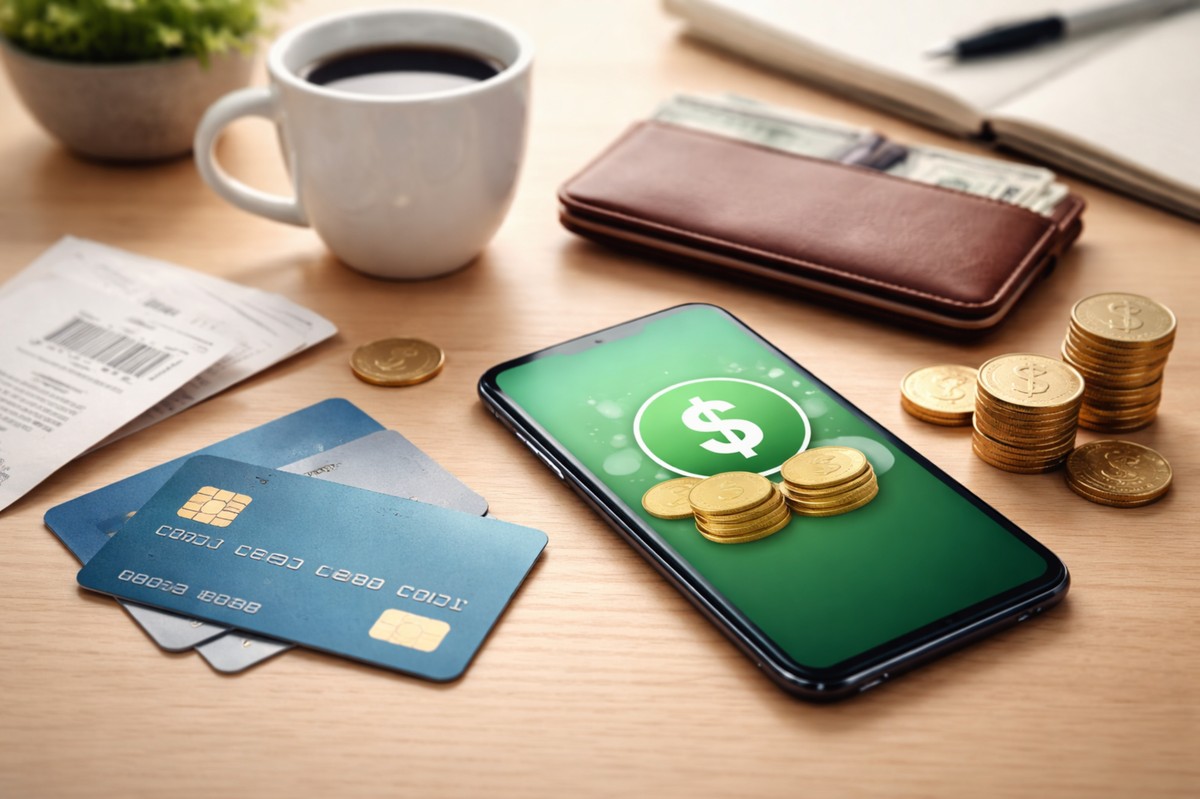
In the United States, Credit Cards are no longer just a borrowing tool; they have become strategic instruments that promise small but consistent returns on everyday spending. From groceries to streaming subscriptions, the idea of getting something back has altered consumer psychology, encouraging choices that blend convenience, planning, and perceived value.
The psychology behind cashback rewards
Cashback programs tap directly into behavioral economics. Receiving a percentage of money back, even a modest one, creates a sense of gain that goes beyond the actual dollar amount. Consumers often feel they are making smarter decisions simply by using a card that rewards them, which can soften the emotional impact of spending.
Another important factor is immediacy versus accumulation. While cashback is rarely instant, the promise of future savings encourages continued use. Over time, these small rewards accumulate into statement credits or bank deposits, reinforcing the habit and making cashless payments feel more rewarding than alternatives like cash or debit.
Everyday choices shaped by incentives
On a daily level, cashback influences where and how people shop. Many consumers actively choose cards based on bonus categories such as dining, fuel, or online purchases, subtly redirecting spending patterns.
A coffee bought with a higher return card can feel more justified, while a larger purchase may be timed to maximize rewards. This dynamic turns routine consumption into a form of strategy, where financial products quietly guide behavior without overt pressure.
The effect also extends to budgeting habits. Some users track rewards closely, integrating them into monthly financial planning. Cashback becomes a minor but meaningful offset to expenses, blurring the line between spending and saving.
Long-term impact on consumer behavior
Over the long run, cashback systems contribute to a more engaged, sometimes more consumption-driven, marketplace. While they can encourage mindful optimization, they may also normalize higher spending under the illusion of savings.
👉Read Also: Credit cards in the United States: how credit scores determine limits and interest rates