


Understanding your risk profile is a critical first step before diving into the world of investing. Your risk profile determines how you perceive risk and tolerate potential losses, influencing your investment strategy. With so many investment opportunities available, knowing your risk tolerance can help you make informed financial decisions.
Investors often overlook the importance of assessing their own risk profile, yet it is vital for creating a balanced portfolio. Identifying your risk appetite is not just about knowing how much risk you can handle financially; it is also about understanding your emotional capacity to deal with market volatility. This self-awareness can be the difference between a successful investment journey and a stressful experience.
Understanding your risk profile
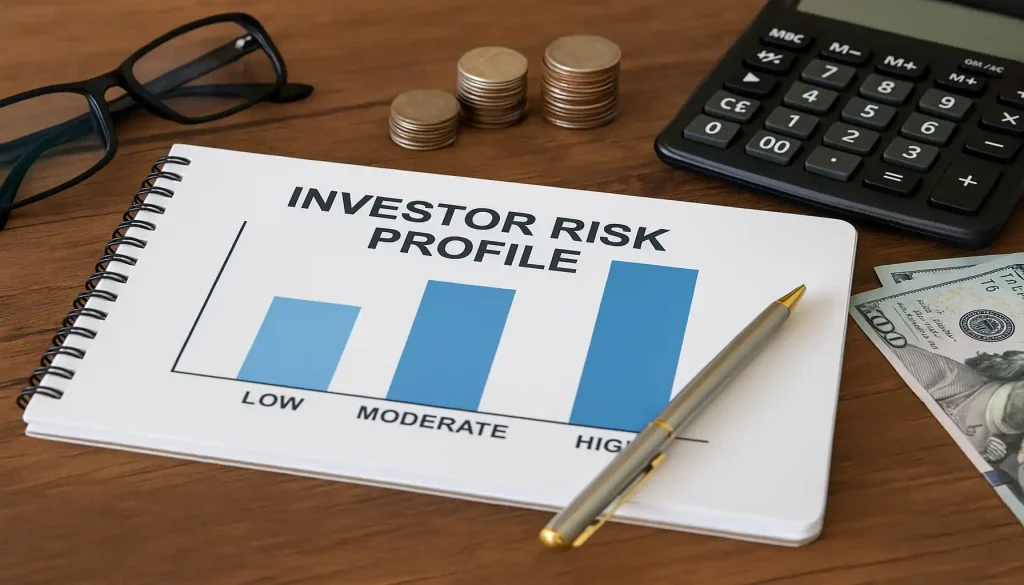
It’s essential to recognize the different components that make up your risk profile. Generally, it includes your risk tolerance, risk capacity, and risk requirement. Risk tolerance refers to the level of risk you are emotionally comfortable taking. Risk capacity, on the other hand, pertains to your financial ability to endure potential losses.
To determine your risk profile effectively, consider a variety of factors such as your investment goals, timeline, and financial situation. Ask yourself questions like, “What are my main financial objectives?” and “How long can I afford to keep my money invested without needing to access it?” These introspective questions are necessary to create an investment strategy tailored to your unique financial circumstances.
Conducting a risk profile analysis
Conducting a detailed risk profile analysis involves more than introspection; practical tools and techniques can aid in this process. Online risk assessment questionnaires are widely available and can provide a foundational understanding of your risk tolerance.
Once you have a grasp on your risk profile, it’s important to revisit it periodically. Market conditions and personal circumstances can change, thereby altering your risk capacity and requirements. Adjusting your investment strategy in response to changes ensures that it remains aligned with your evolving financial aspirations and risk comfort level.
Aligning investments with your risk profile
Aligning your investment choices with your risk profile requires strategic planning and continuous assessment. For those with low risk tolerance, conservative investments like bonds or savings accounts might be suitable. Conversely, if you have a higher risk tolerance, you might integrate stocks or real estate into your portfolio.
Engaging with a financial advisor can provide personalized insights based on your risk profile. These professionals can help craft a balanced portfolio that aligns with your goals, ensuring you’re neither overexposed to risk nor missing out on potential returns. A knowledgeable advisor aids in navigating the complexities of the investment landscape, complementing your self-assessment with expert guidance.
Conclusion on understanding your risk profile
In conclusion, understanding your risk profile is paramount for any investor. By assessing your financial situation, emotional tolerance, and investment goals, you create a strong foundation for your investment strategy.
Such awareness enables you to navigate market fluctuations confidently, reducing uncertainties and enhancing your investment outcomes. Remember, investing is not just about returns—it’s about comfort and confidence in the journey. Evaluating your risk profile equips you with the essential tools for a successful and satisfying investment experience.