

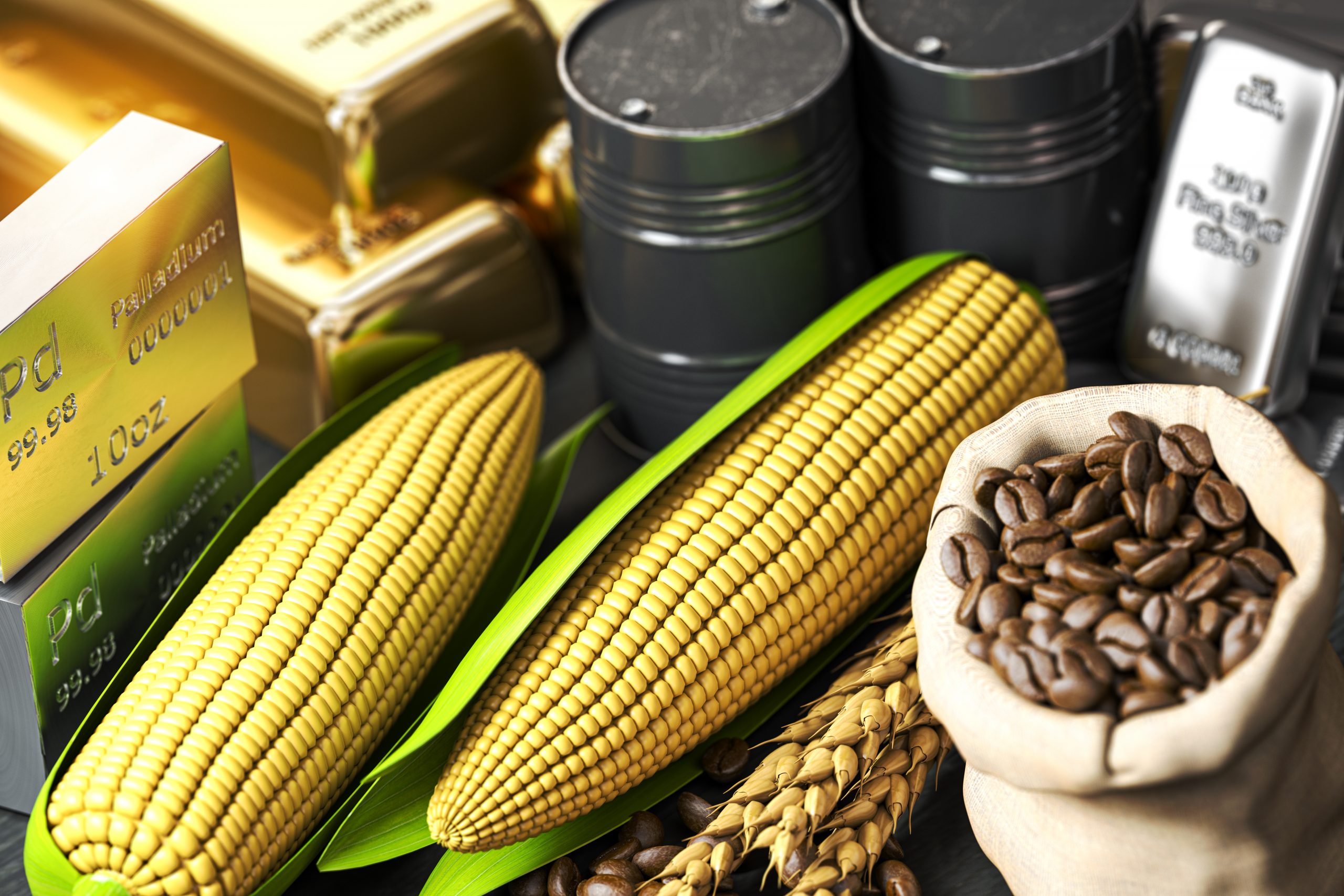
Investing in commodities can be a compelling strategy for diversifying your portfolio and hedging against inflation. By focusing on tangible assets such as gold, oil, and agriculture, investors can gain exposure to sectors that move independently from traditional equities.
This approach helps to mitigate risks associated with market volatility. Our journey today will explore these popular resources, examining their unique attributes and uncovering how they may fit into your overall investment strategy. With careful analysis and strategic planning, commodities can play a vital role in any diversified portfolio.
The allure of the yellow metal
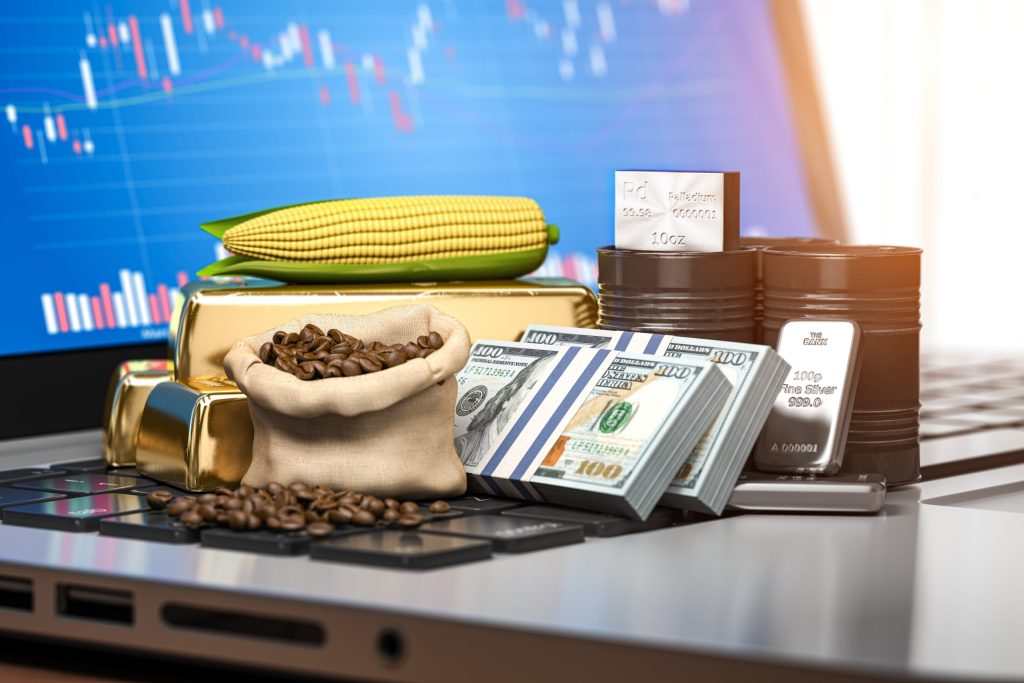
Gold has long captivated investors with its historic reputation as a store of value. Often referred to as an inflation hedge, this precious metal tends to maintain purchasing power over time. Unlike stocks or bonds, it also offers a unique form of security since it’s not directly tied to corporate performance or interest rate fluctuations.
Investing in yellow metal requires understanding its role as a diversifier. While it doesn’t generate income in the way dividends or interest might, its strength lies in preserving wealth during turbulent times. Buying gold often means focusing on its physical form, through coins or bars, or opting for investment vehicles like exchange-traded funds which offer easier access and management.
Sources of energy wealth
Oil, often dubbed “black gold,” is a dynamic player in the commodities market. Its price directly affects global economies and can lead to substantial returns for investors. The value of crude oil is intricately linked to global demand and supply dynamics, geopolitical tensions, and technological advancements in energy extraction.
With oil, timing your investment is essential. Staying informed about OPEC agreements, shale production advancements, and geopolitical developments is vital. Investors can choose to engage via futures contracts or ETFs that focus on energy sectors.
Opportunities in agriculture
Agricultural commodities include a variety of products ranging from grains to livestock, each with unique factors influencing their markets. Agriculture can offer a hedge against inflation while providing potential returns driven by global demand and supply trends.
Consider agricultural ETFs or commodity futures for easier market entry. These vehicles allow investors to speculate on the prices of crops like corn, soybeans, and wheat without direct involvement. Watching global weather patterns, technological advancements in farming, and international trade policies can provide insights into market shifts and investment timing.
Conclusion
Investing in commodities such as gold, oil, and agriculture requires careful analysis and strategic planning. Each offers unique benefits that complement and diversify an investment portfolio.
By understanding the distinct market forces and risks associated, investors can craft strategies that mitigate volatility and position themselves for growth. While these tangible assets provide a hedge against economic uncertainties, continual research and monitoring are crucial.
Ultimately, commodities can be powerful tools in wealth management, serving as a counterbalance to traditional securities. With proper due diligence and strategic investment choices, they offer opportunities for remarkable returns and portfolio stabilization.
Whether you’re drawn to gold’s stability, oil’s dynamic nature, or agriculture’s tangible reliability, commodities invite you to explore the vast potentials beyond conventional investments.