


In today’s fast-paced world, digital payments are revolutionizing the way we handle transactions. This technological advancement not only offers convenience but also propels us toward a more connected future. With virtual wallets becoming ubiquitous, our daily financial interactions are bound to change profoundly.
But what does this mean for consumers and businesses? As we delve deeper into the realm of online payment systems, we aim to unravel how these innovations are shaping our financial landscape and what we can expect in the years to come.
The evolution of cashless transactions
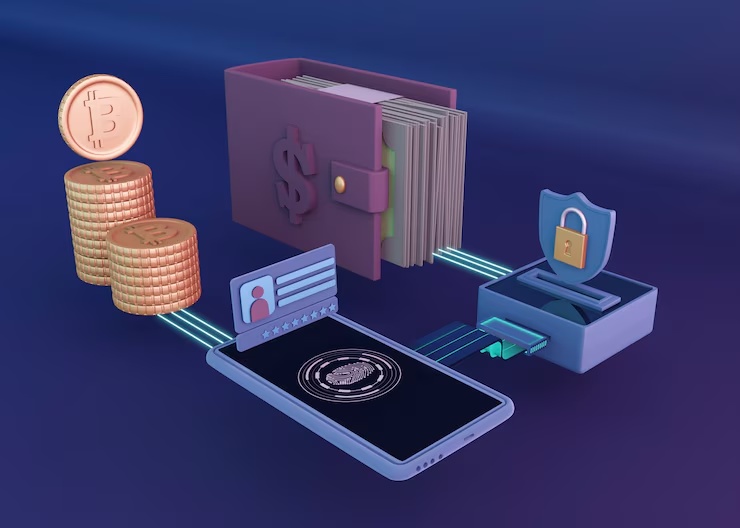
The transition to cashless transactions is not merely a trend but a fundamental shift in how economic exchanges are facilitated. Digital payments have become the backbone of modern commerce, streamlining operations and enhancing user experiences.
With the proliferation of smartphones and internet access, the barriers to entry for these technologies have significantly decreased. This democratization of financial services has enabled more individuals to participate in the global economy.
From small local businesses to multinational corporations, adopting these methods not only increases efficiency but also provides valuable data insights. As companies leverage these insights, they can better understand consumer behavior, tailor marketing strategies, and enhance customer engagement.
Technological innovations driving digital commerce
The growth of digital commerce is fueled by cutting-edge technological innovations. Blockchain, artificial intelligence, and biometric authentication are some of the groundbreaking tools driving this revolution. These technologies not only enhance security but also streamline transactions, reducing friction and increasing trust among users.
For instance, blockchain technology ensures transparency and immutability of transactions, making it ideal for secure exchanges. AI, on the other hand, offers predictive analytics that can detect fraud and assess credit risks more effectively.
Meanwhile, biometric authentication provides a layer of security that is both user-friendly and robust, reducing the chances of unauthorized access. These innovations collectively create an environment conducive to the continued growth of digital payments.
Virtual wallets: the centerpiece of the new financial era
Virtual wallets are central to this evolving financial landscape, offering a seamless way for users to manage their funds. These digital tools are not just apps but comprehensive platforms that integrate various financial services into one interface. Users can store multiple payment methods, track expenses, and even link loyalty points, all from the convenience of their smartphones.
As these wallets become more sophisticated, they offer features that go beyond traditional banking. From budgeting tools to real-time notifications and currency conversions, virtual wallets empower consumers to take control of their finances in dynamic ways.
Practical tips for maximizing virtual wallet usage
To get the most out of virtual wallets, users should consider a few practical strategies. Firstly, regularly monitoring transactions and setting spending limits can help maintain healthy financial habits. Most virtual wallets provide insights and notifications to track this effectively.
Moreover, taking advantage of loyalty programs integrated into these wallets can lead to savings and rewards. Many platforms offer cashback, special discounts, or points for everyday purchases. Users should also explore linking their digital wallets to mobile payment systems for seamless, contactless transactions in physical stores.
The future of digital payments and virtual wallets
As we look ahead, the future of digital payments and virtual wallets appears promising and transformative. With continual advancements in technology, these systems are poised to become even more integrated into our daily lives.
Innovations like decentralized finance (DeFi) and augmented reality shopping experiences are beginning to emerge, further blurring the lines between digital and physical worlds. Ultimately, the widespread adoption of these payment methods signals a move toward greater inclusivity and accessibility in financial services.
As these platforms evolve, they will undoubtedly continue to provide unparalleled convenience and efficiency. By staying informed and embracing these advancements, consumers and businesses can position themselves at the forefront of this digital revolution, ready to harness its full potential.