

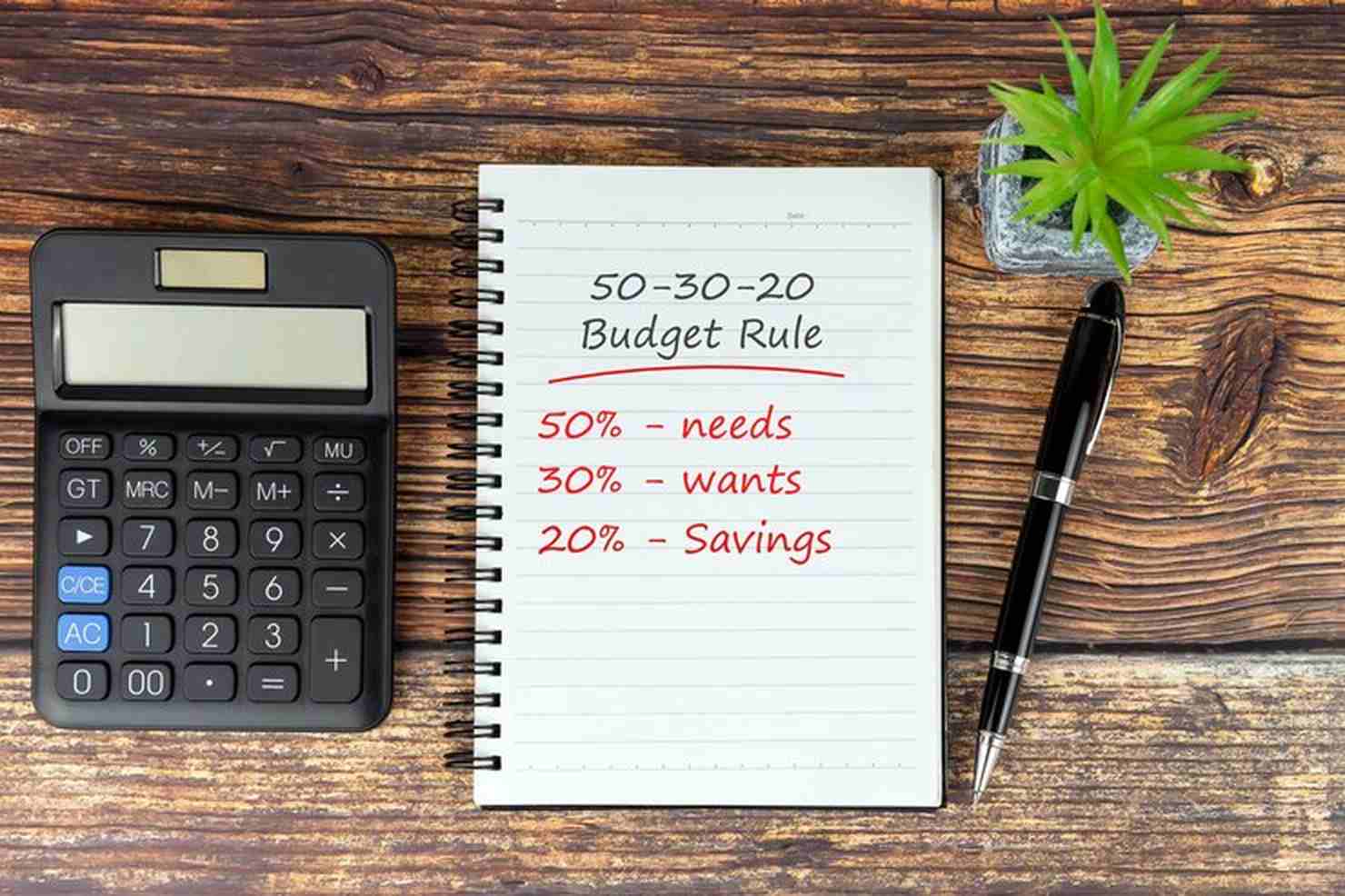
The 50/30/20 budget rule has long been hailed as a straightforward method for achieving financial balance. By allotting 50% of earnings to necessities, 30% to wants, and 20% to savings or debt repayment, this formula offers a clear path for managing income effectively. However, with 2025 on the horizon and economic shifts underway, is this method still viable for Americans?
Understanding the current landscape is essential to adapting this classic budgeting approach. The 50/30/20 rule’s allure lies in its simplicity and flexibility, making it accessible to financial novices and experts alike. Yet, as we confront economic changes, evaluating its practicality is crucial. Does it still serve its intended purpose, or do we need adjustments to keep pace with our evolving financial realities?
Understanding the 50/30/20 rule

At its core, the 50/30/20 budget is designed to simplify financial management by providing a clear framework. This method encourages individuals to categorize their expenditures, promoting a balanced financial life. By dedicating 50% of one’s income to essentials like housing and groceries, 30% to discretionary spending, and 20% to debt reduction or savings, it aims to foster a sustainable financial ecosystem.
The rule’s design helps individuals maintain a healthy balance between essential expenses, lifestyle desires, and future security. Yet, while the intention remains constant, the budget’s application can vary depending on individual circumstances and broader economic conditions. So, how do these factors influence the effectiveness of the 50/30/20 approach today?
Challenges in the current economic landscape
Recent fluctuations in cost of living present significant challenges to the traditional 50/30/20 plan. Rising housing costs, increased healthcare expenses, and inflationary pressures impact Americans’ ability to adhere to the model. For many, dedicating only half of their income to essentials seems unrealistic in high-cost urban areas where rent alone can consume a large portion of earnings.
Additionally, lifestyle changes and personal financial goals might render the 30% allocated for wants as excessive or inadequate. The key question becomes: how can one adapt this longstanding rule to meet modern-day financial demands while still achieving balance?
Adapting the budget for today’s needs
To maintain financial stability in 2025 and beyond, adapting the 50/30/20 budget is essential. This could involve varying percentages to better fit one’s economic circumstances. For instance, those in high-cost locations might consider a 60/20/20 split, allotting more to essentials without forgoing savings goals.
Furthermore, increasing automation with budgeting apps can help individuals track and adjust spending patterns more effectively, leading to smart financial adjustments over time. By using tools tailored to unique financial situations, it’s possible to maintain the essence of the original rule while ensuring practicality in today’s economic environment.
Practical tips for effective budgeting
Implementing a successful budget starts with accurate financial tracking. Utilizing budgeting software can assist in monitoring expenses and identifying areas for adjustment. Regularly reevaluating and updating financial goals keeps your budget relevant and aligned with current needs.
Additionally, seeking financial advice or education can offer fresh perspectives and new strategies. It’s important to remain flexible and open to change as economic conditions evolve. Using credit cards with rewards can also provide perks while maintaining budget discipline, offering additional value to routine expenditures when managed wisely.
Is the 50/30/20 budget still worth following?
In light of economic shifts and personal finance nuances, the core principle of the 50/30/20 budget—balancing needs, wants, and savings—retains its relevance. However, its rigid application may no longer suit everyone. Adaptations are key, allowing individuals to modify percentages to better meet their unique financial situations.
Ultimately, while the fundamental philosophy of this budgeting rule remains beneficial, its practice must be adjusted based on current financial landscapes and personal priorities. Staying informed and flexible allows for a tailored approach that supports financial well-being in today’s dynamic economy.